
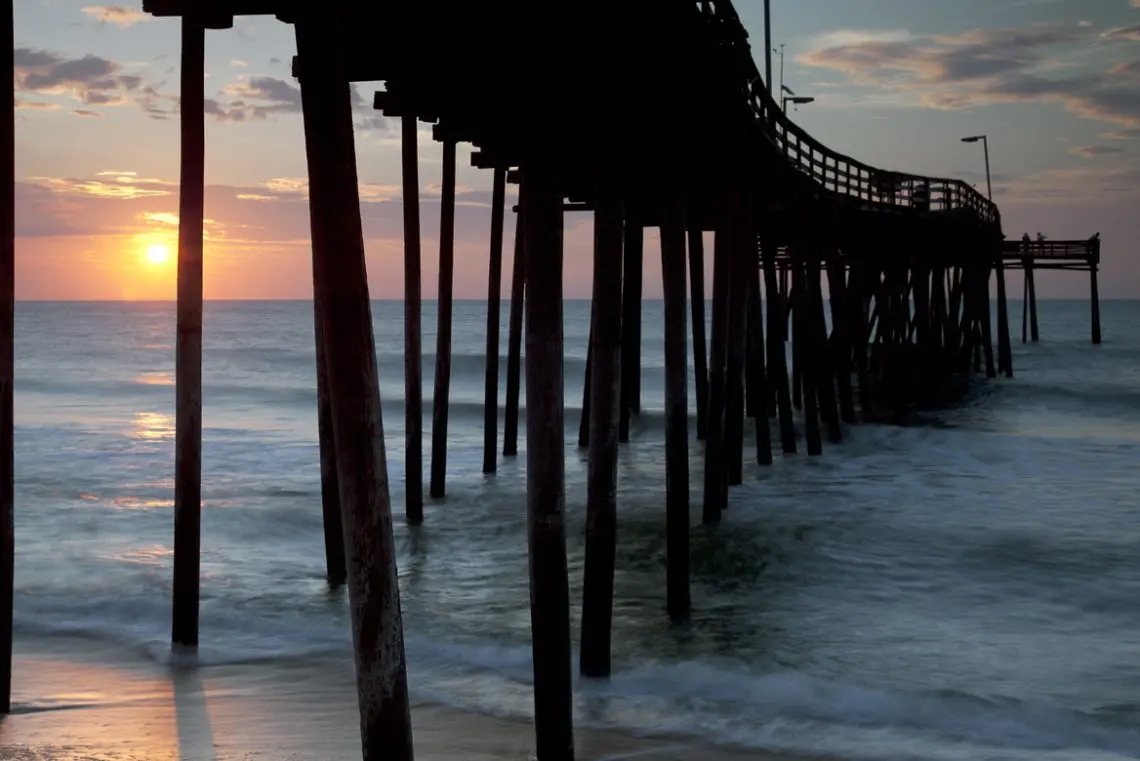
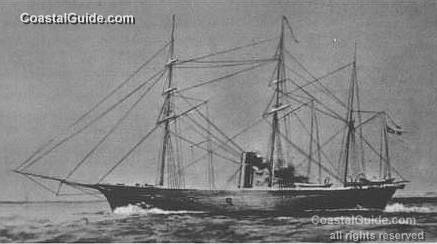
CSS Sumter was originally the bark-rigged steamer Habana of New Orleans, built at Philadelphia in 1859 for McConnell's New Orleans & Havana Line. Purchased at New Orleans in April 1861 and converted to a cruiser by Capt. Raphael Semmes, CSN, Sumter was commissioned there 3 June and put to sea on the 30th to strike at Union shipping. Eluding sloop-of-war Brooklyn in hot pursuit, Sumter cruised the West Indies and south to Maranhao, Brazil, capturing several prizes. Returned to Martinique, she was discovered in the act of coaling by USS Iroquois; Capt. J. S. Palmer, USN, promptly protested to local authorities and took position to intercept Sumter leaving St. Pierre. But 9 days later the raider escaped by night and steered for Spain, anchoring at Cadiz, 4 January 1862. Allowed only to make necessary repairs there, without refueling, she was forced to run for Gibraltar and lay up. Disarmed and sold at auction 19 December 1862 to the Fraser-Trenholm interests, Sumter quietly continued her service to the Confederacy under British colors as the blockade runner Gibraltar of Liverpool.
Though her career as a fighting ship had lasted scarcely six months, Sumter .had taken 18 prizes, of which she burned 8, released or bonded 9; only one was recaptured. The diversion of Federal blockade ships to hunt her down had been in itself no insignificant service to the Confederate cause.
As Gibraltar, she ran at least once into Wilmington, N. C., under Capt. E. C. Reid, a Southerner. He sailed from Liverpool 3 July 1863 with a pair of 22-ton Blakely guns and other particularly valuable munitions, returning with a full load of cotton. The beginning of this voyage is recorded only because the U.S. Consul at the British port passionately protested Gibraltar's being allowed to sail - ostensibly for Nassau - days before formal customs clearance: "She is one of the privileged class and not held down like other vessels to strict rules and made to conform to regulations." The arrival at Wilmington is also accidental matter of record today because of the troop transport Sumter tragedy at Charleston the same summer - which, until November, Admiral Dahlgren's intelligence understandably confused with the former cruiser Sumter, now Gibraltar.
Mr. Trenholm's son-in-law long maintained Sumter finally "went down in a gale near the spot where the Alabama was sunk," but supplied no date; one source suggests 1867. The last official report of her seems to have been by the U.S. Consul at Liverpool, 10 July 1864: "The pirate Sumter (called Gibraltar) is laid up at Birkenhead."

Kitty Hawk Kites has been Teaching the World to Fly since 1974 and is home to the world’s largest hang gliding school. As the Outer Banks leader in quality outdoor recreation and adventure, Kitty Hawk Kites offers more than 30 activities to...
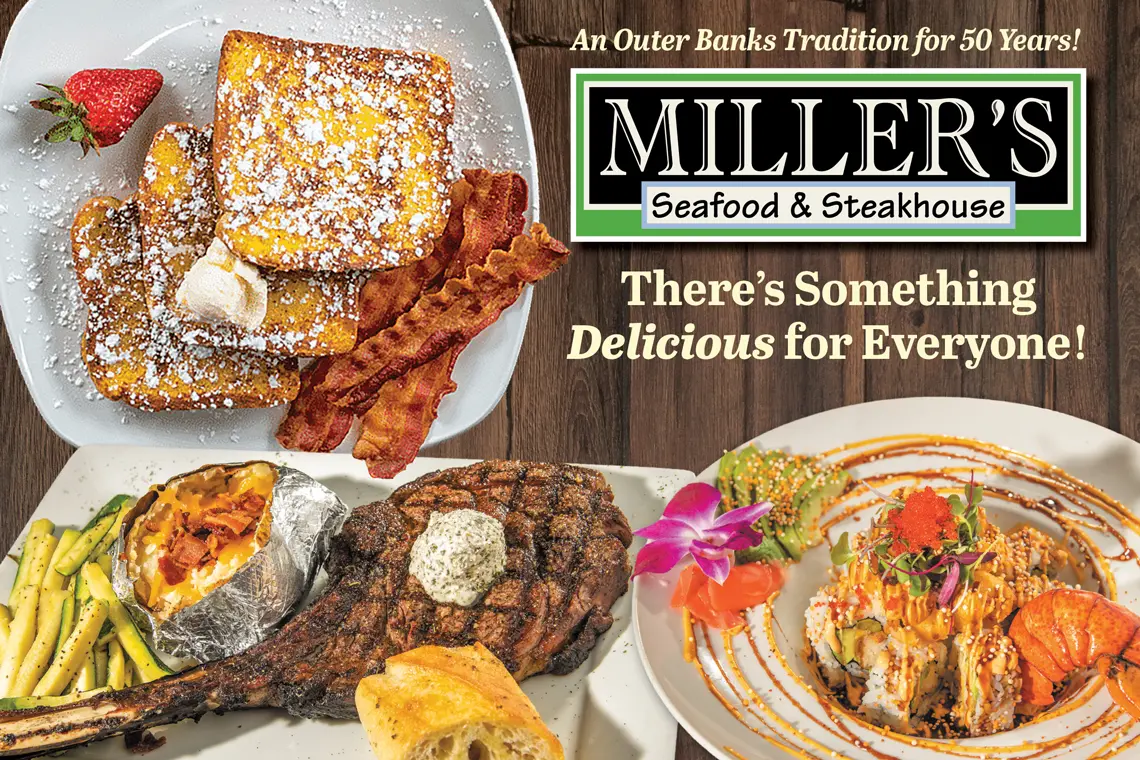
Miller's Seafood & Steakhouse has been a favorite among locals and visitors for more forty years. Offering delicious southern cuisine for both breakfast and dinner in a casual family atmosphere infused with coastal flair, it's no wonder this...

Discover the beauty of the Outer Banks with Duck Parasail. Duck Parasail is proud to partner with Corolla Parasail and together, they take pride in being the longest running, family owned and operated parasail company on the Outer Banks. Duck...
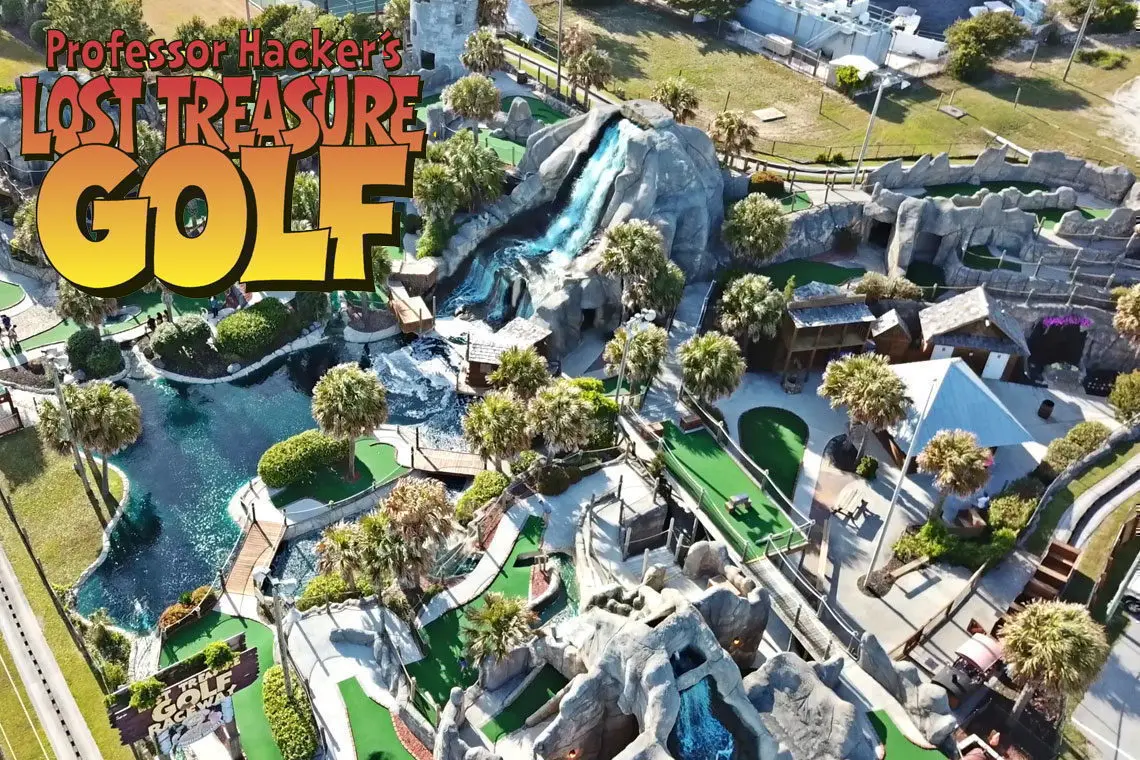
Visitors of all ages will have a blast at this destination that is designed for great times along the Crystal Coast shoreline. Professor Hacker's Lost Treasure Golf and Raceway is situated in the centrally located beach community of Salter Path, and...