Albemarle, NC Area
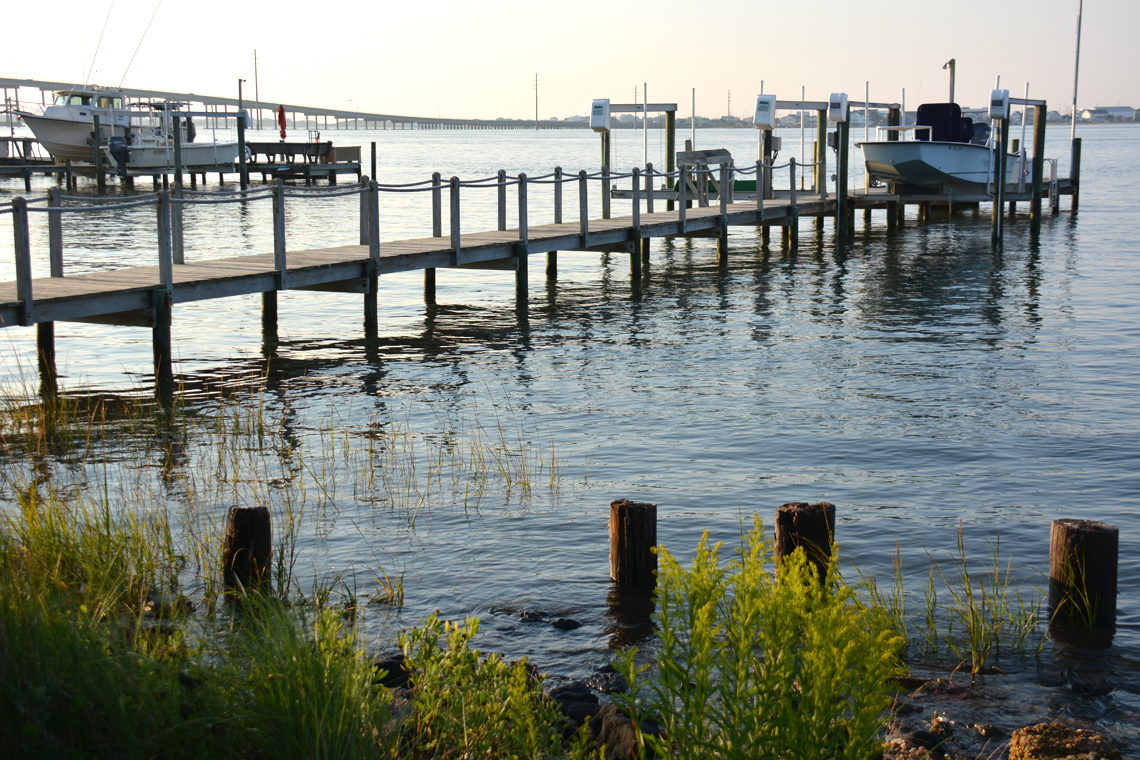
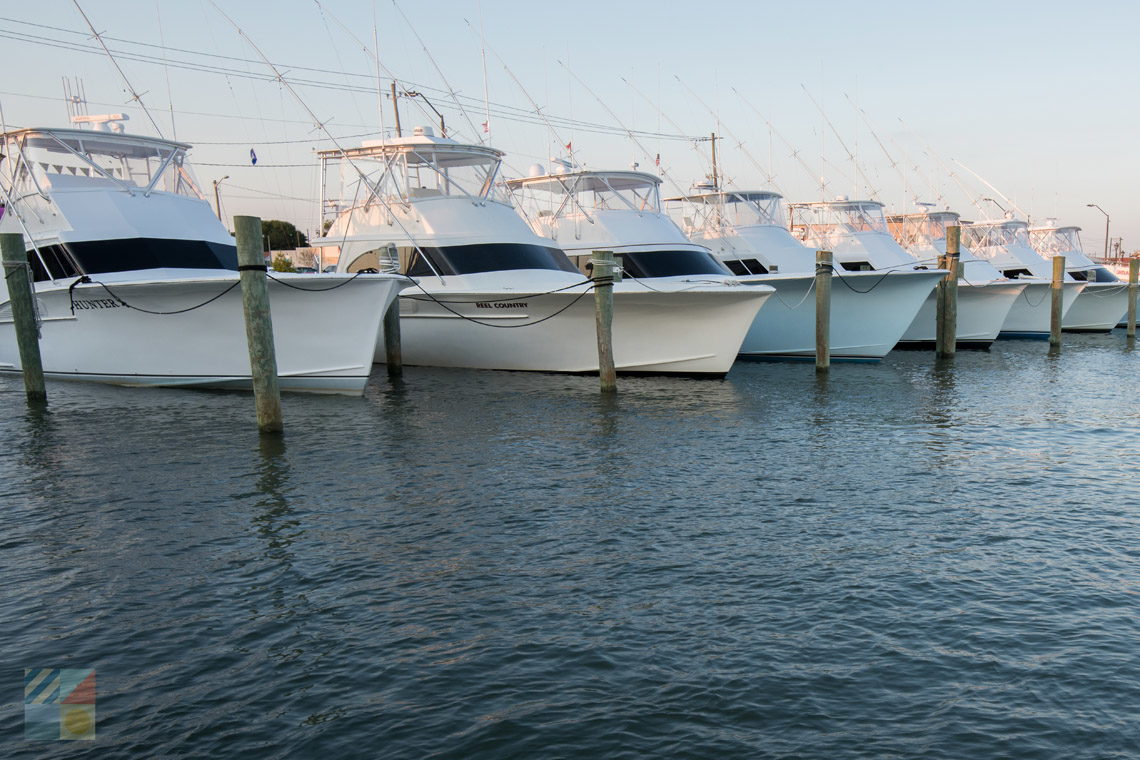
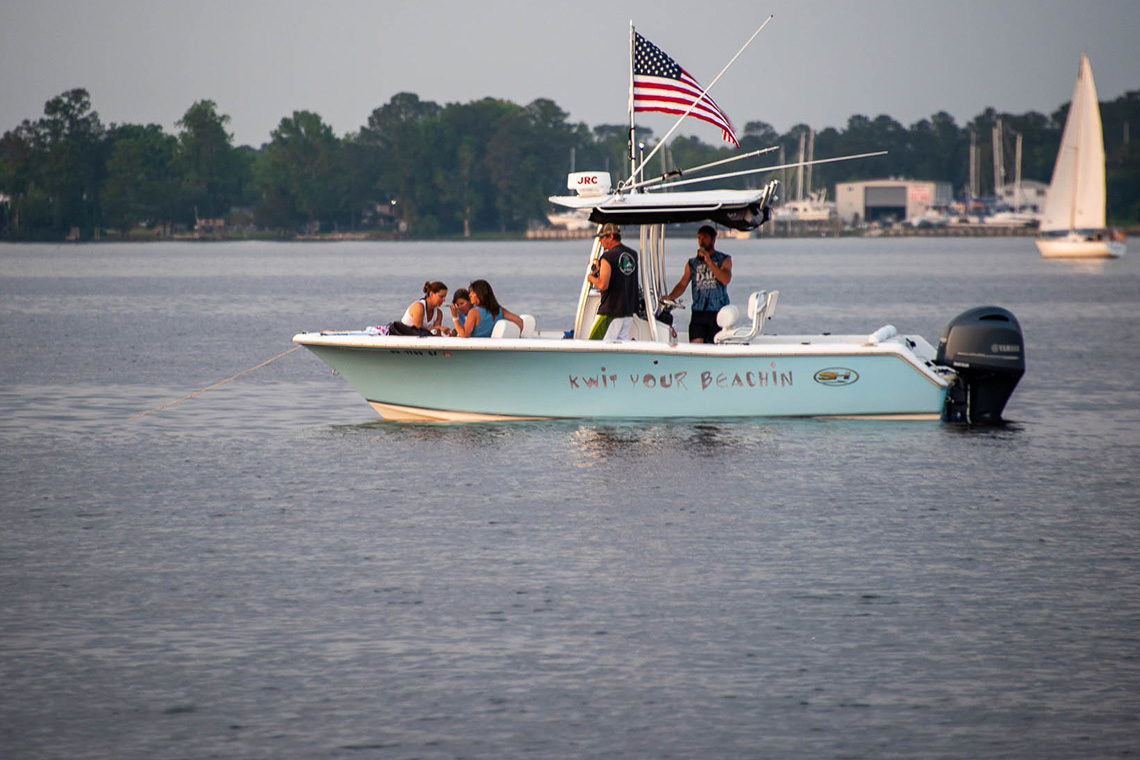
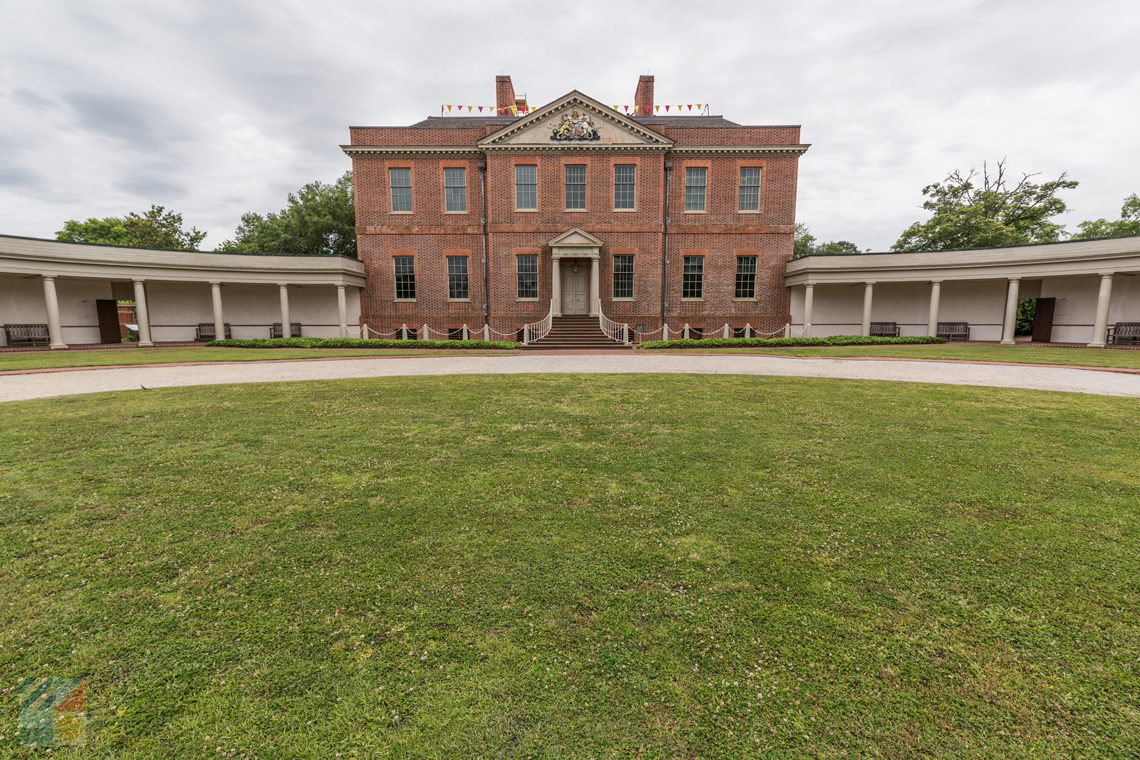
Our coverage of the Albemarle, NC area includes Elizabeth City, Edenton, Hertford, Columbia, and the Outer Banks

Our coverage of the Albemarle, NC area includes Elizabeth City, Edenton, Hertford, Columbia, and the Outer Banks
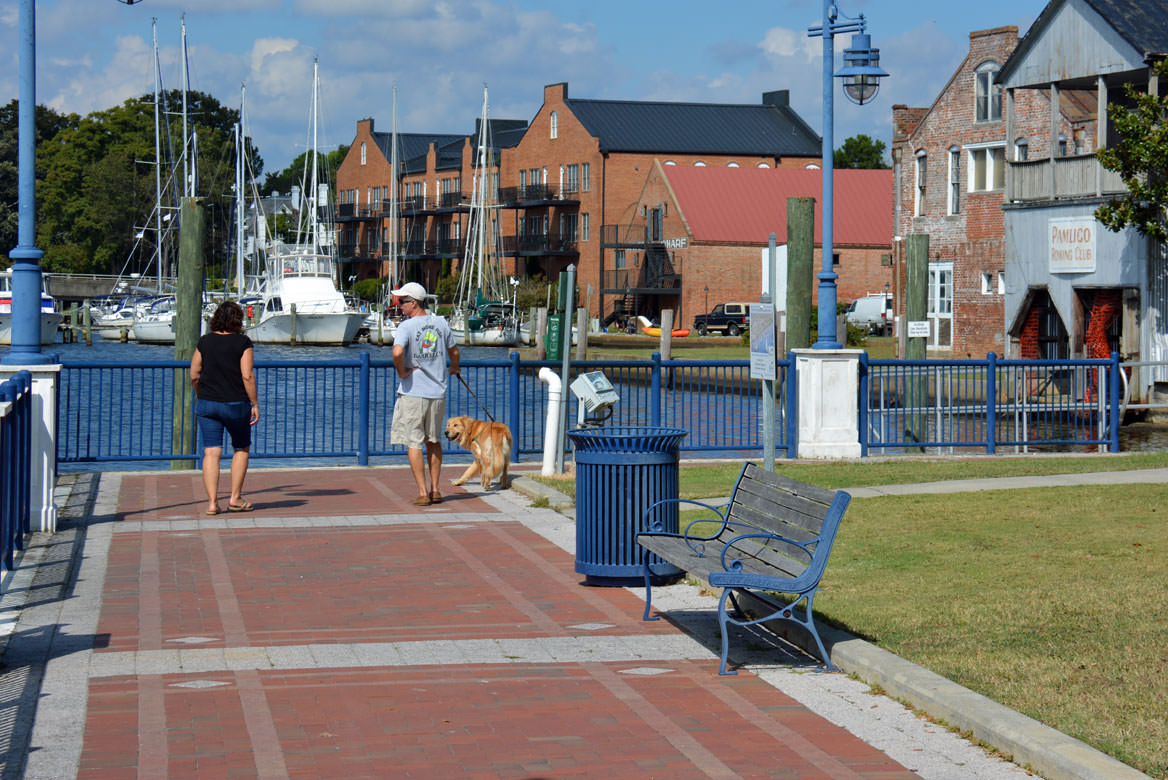
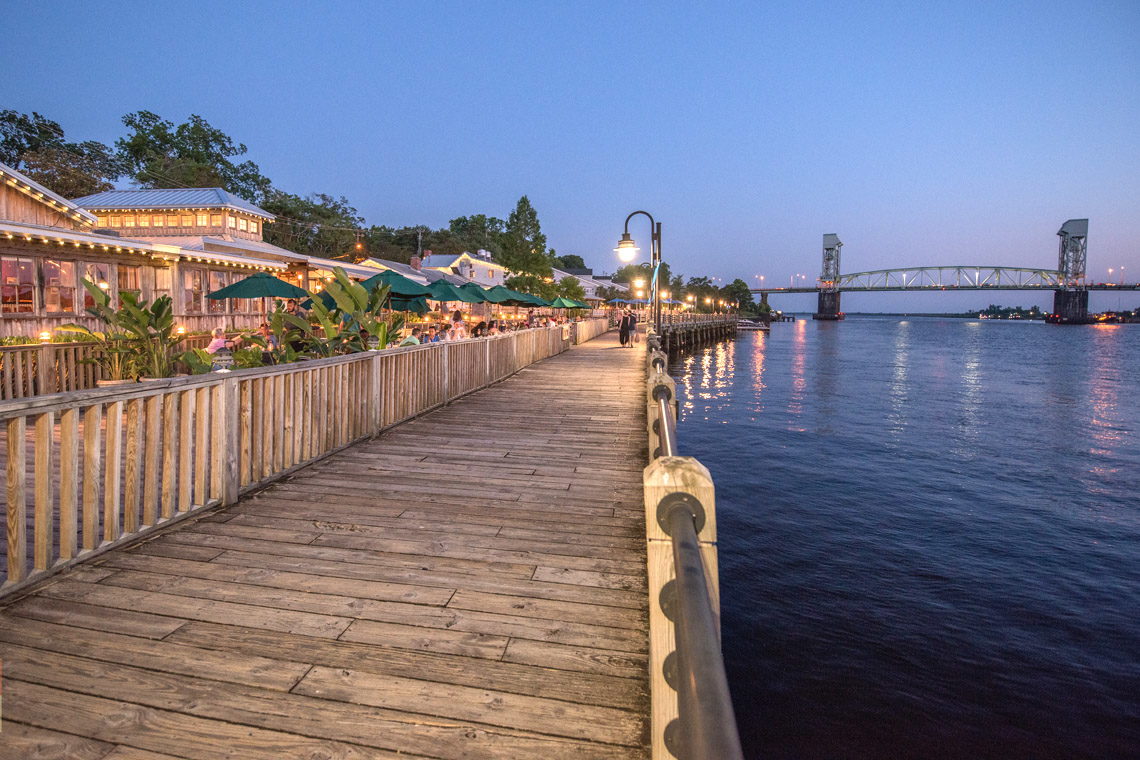
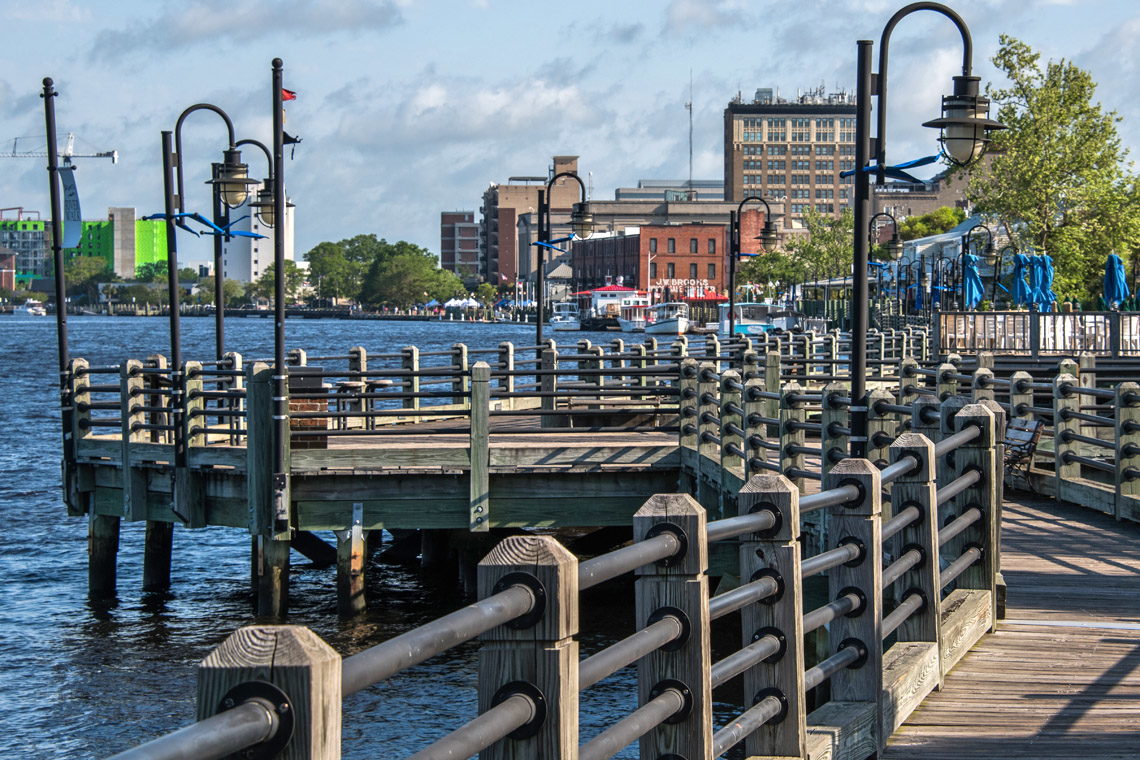
Elizabeth City, located in the northeastern corner of the state and part of the newly famed "Inner Banks," has developed a reputation as an up-and-comer on the North Carolina tourism scene. With a growing cultural and arts center that features museums, theaters, a conference center, and a world of other amenities, eastern North Carolina visitors are taking a second look at this otherwise small town, and are being pleasantly surprised by all the amenities and attractions that this coastal community has to offer.
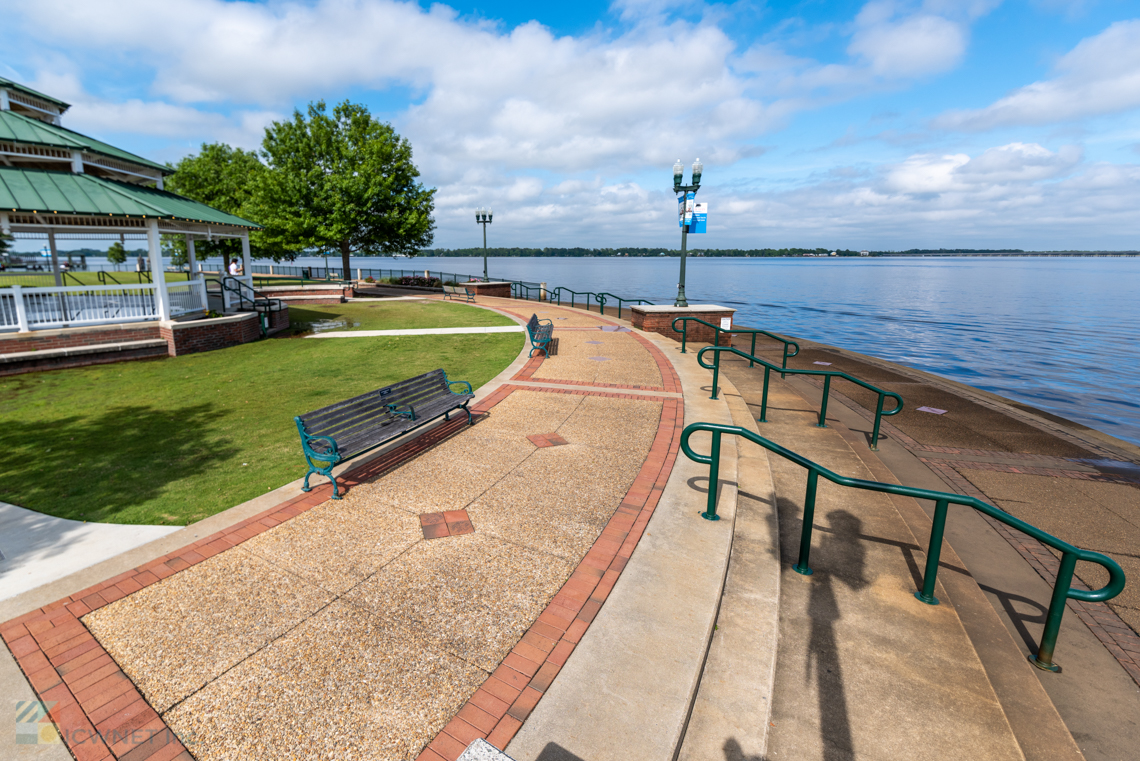
Traditional southern hospitality and small-town living is carefully preserved in quiet and undiscovered Hertfort, North Carolina. This prototypical small town has a world of amenities and attractions just waiting to be discovered by curious newcomers who venture off the main highway, including numerous historic sites, a charming downtown, and miles of riverfront water views.
The small town of Columbia, located approximately 45 miles west of the Outer Banks, is a rising star along the central North Carolina coastline. An anchor of the informally named "Inner Banks" region, this small community of less than 1,000 residents is slowly becoming a destination all its own, even landing a feature article in North Carolina's renowned Our State Magazine. The sudden growing interest is due to a number of features, not the least of which are breathtaking scenery, incredible wildlife, and a host of attractions, both old and new, that are ripe for exploring.
The Pamlico area of North Carolina includes the small and rural towns of Washington, Bath, Belhaven, Oriental and Havelock, as well as the city of New Bern.
Small and sleepy, visitors won't find too much action or excitement in Bath, but the incredible waterfront views, historical homes that are carefully preserved, and an all-around southern charm has made this small town a popular destination with weekend vacationers who want to enjoy the genuine peace and quiet. For a relaxing day trip or a quiet escape, discover North Carolina's oldest town - a community that, despite its wild history, remains relatively unchanged population-wise from its original incorporation over 300 years ago.
The town of Washington is rapidly becoming one of the highlights of North Carolina's Inner Banks due to its small town charm, incredible location along the Pamlico River, and eclectic blend of boutiques, restaurants, and attractions. This small community of just under 10,000 residents has a maritime culture all its own, with dozens of colorful crab statues lining the downtown streets, hundreds of boats, big and small, lining the waterfront, and miles of open Tar and Pamlico River views, extending in virtually every direction. Quaint and quiet, but with enough activity to keep anyone entertained, Washington is an ideal long weekend retreat for visitors who want to experience the heart and unique culture of coastal Eastern North Carolina.
The small Inner Banks city of New Bern has gained popularity among North Carolina visitors over the years, and for good reason. The picturesque town with outstanding Trent and Neuse River views in virtually all directions boasts a thriving downtown, a state-of-the-art convention center, and enough historical attractions and homes to fill up a week's worth of walking tours. Chock full of southern hospitality, a surprisingly famous legacy, and a world of arts and culture, a getaway to the town of New Bern allows visitors to get a taste of coastal North Carolina heritage while exploring the Inner Banks at its very best.
While the small town of Havelock is often overshadowed by its Crystal Coast neighbors, the city is nonetheless a prime waterfront retreat for eastern North Carolina visitors who want to experience the real everyday life of the Inner Banks. Home to the renowned Marine Corps Air Station at Cherry Point, the expansive and wild Pine Cliff Recreational Area, and a small handful of shops and restaurants that shine a light on the local culture, Havelock is a fun day trip for nature lovers, military buffs, and anyone who wants an inside glimpse into the real, hardworking Coastal Carolina.
Welcome to a North Carolina region where the Antebellum South meets modern art, and local southern hospitality mixes with movie stars. Wilmington is one of the most unique towns along the Carolina coastline, as it combines all the attributes of an engaging southern town into one distinctive and altogether exceptional community. Artists, actors, professional beach bums, tourists, and college students all congregate in Wilmington, and the end result is an incredible destination that has something for everyone.
Bald Head Island, a roughly 5 square mile southern North Carolina barrier island that extends into the Atlantic Ocean, may be a small and secluded island destination, but it makes up for its size with a world of exclusive and elite vacation style.
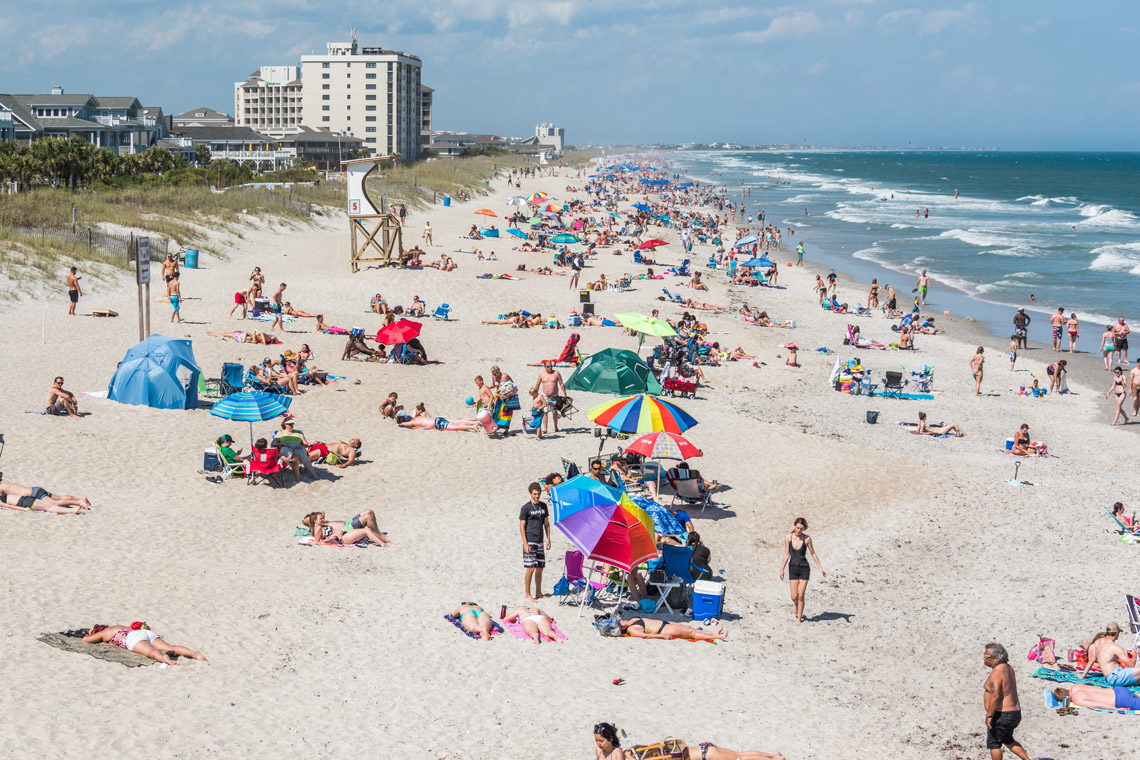
Visitors will find an easy-to-get-to beach paradise at Oak Island, an expansive but peaceful retreat that's located an easy drive away from Southport, Wilmington, and other inland North Carolina communities. Both the main town and the island itself share the name of "Oak Island," and while the town extends slightly inland, encompassing the Cape Fear Regional Jetport, the rest of the community is cut off from the world by the long Elizabeth River, and a network of salty creeks and canals. This watery gap may not be particularly wide, but visitors will feel the change as soon as they cross over the bridge. Once ashore, Oak Island is a picturesque landscape of charming vacation rental homes, cool seafood restaurants and shops, and miles of ocean shoreline.
Accommodating and altogether fun, Ocean Isle Beach is a favorite family-friendly destination for vacationers from all over the East Coast. Well stocked with fantastic beaches, challenging area golf courses, great fishing, local attractions, acclaimed restaurants, and virtually every amenity a beach lover could ask for, this barrier island community clearly has it all. With the added bonus of an easy-to-get-to location just over the Intracoastal Waterway, visitors will find plenty to love about this exemplary North Carolina beach town.
Sunset Beach is a unique little North Carolina coastal destination that encompasses both mainland and barrier island terrain, and is located just a seashell's throw from the South Carolina border. Despite its proximity to larger destinations like Wilmington, NC to the north and Myrtle Beach, SC to the south, the community has never lost its small town charm, and its decidedly beachy atmosphere, making it an ideal destination for laid back vacationers who want to soak up the salt, the sun, and the endless ocean views.
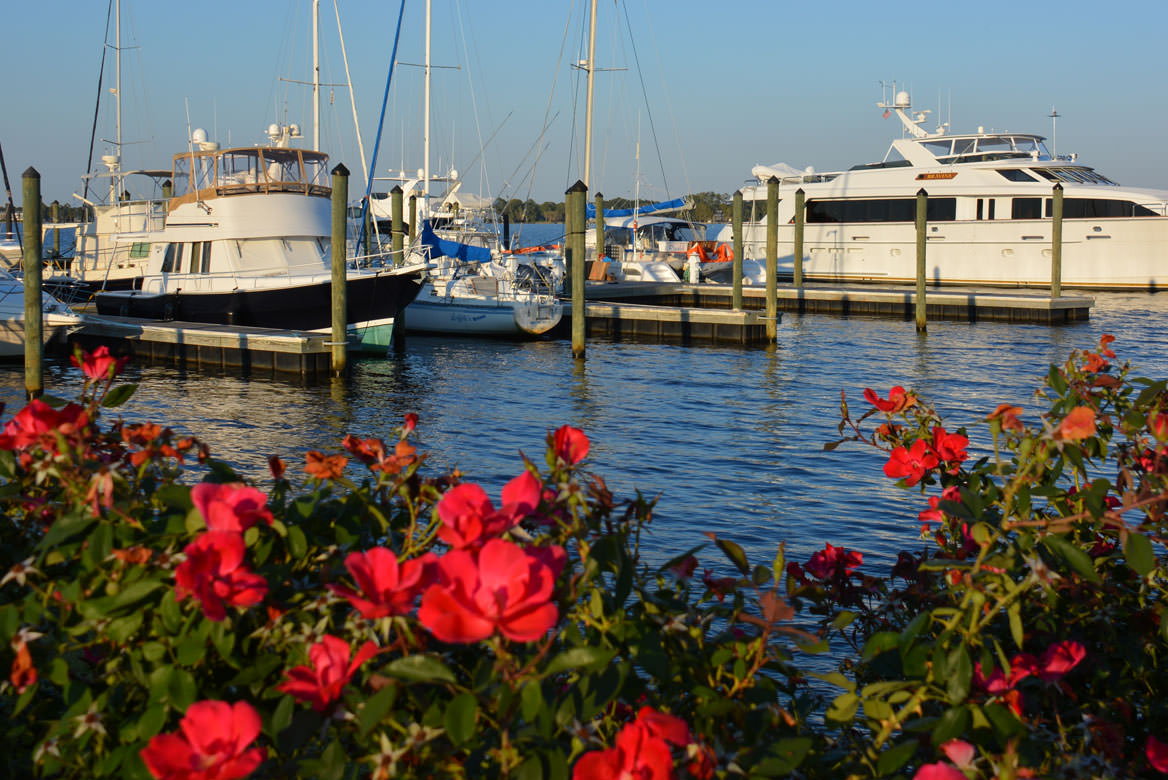
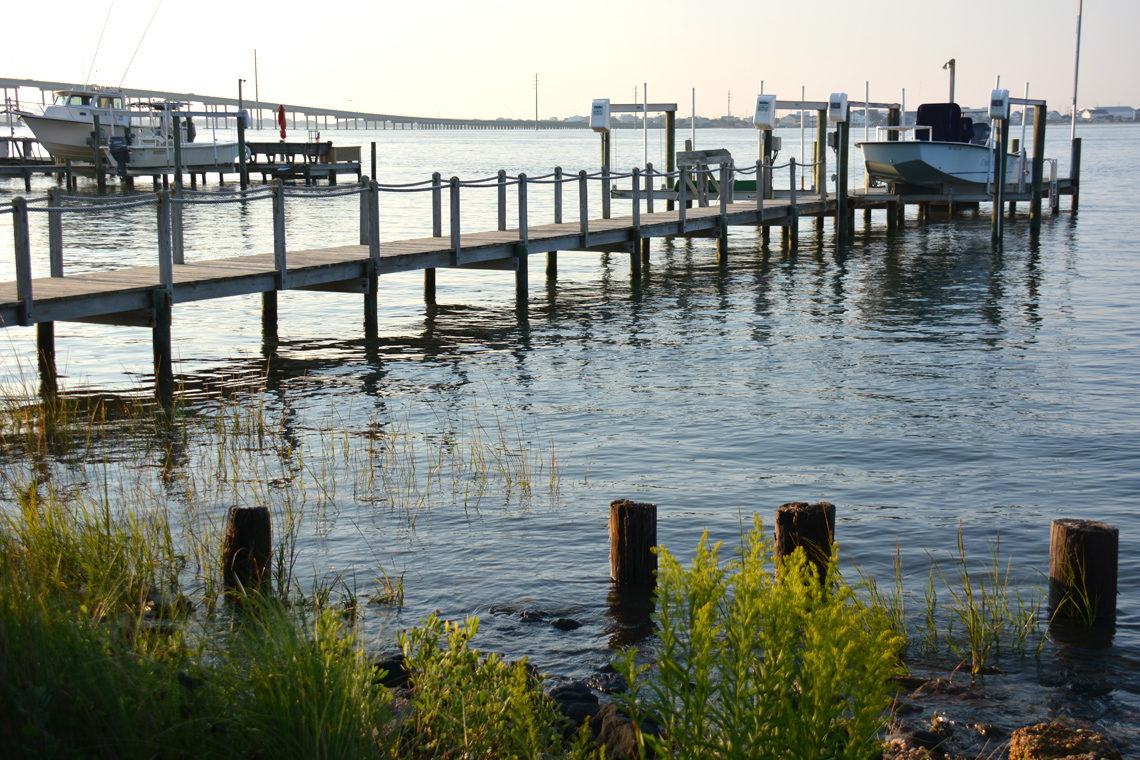
The Morehead City waterfront and downtown area go together hand in hand, in fact, with a number of marinas and docking spaces available for travelers who are arriving by boat. Several marinas, including the Morehead City Yacht Basin, the Portside Marina, and the Spooners Creek Marina, call this section of the Inner Banks home, and the town of Morehead City even has its own public docking facilities, newly completed, with deep water slips that are close to Arendell Street, one of the major streets that runs along Morehead City in the heart of the downtown region.
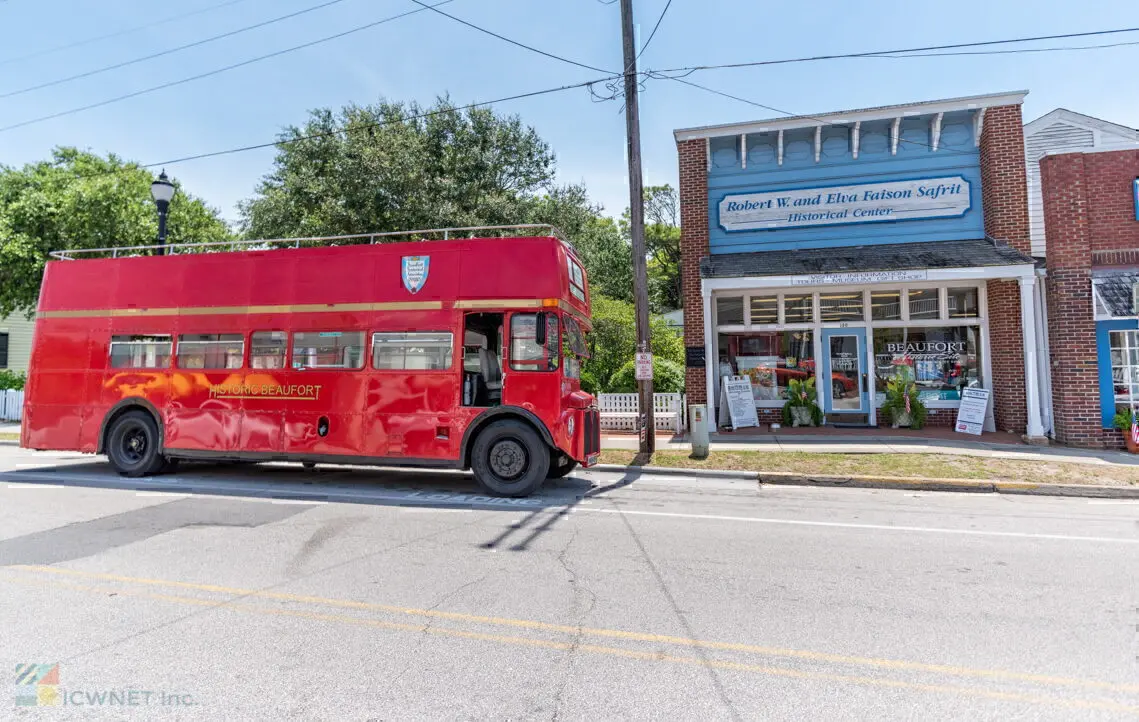
The coastal town of Beaufort has quickly become one of the most popular vacation destinations for Inner Banks travelers and boating enthusiasts of all varieties, and for good reason. The small 2.7 mile town, (surrounded by nearly a mile of water), is a vacationer and maritime lover's dream, with a hearty downtown scene lined with shops, galleries, and acclaimed restaurants, in addition to dozens of maritime supply stores.
The long barrier island that borders central North Carolina is known by a wide range of nicknames, including the "Crystal Coast," "Bogue Banks," and "Emerald Isle." This last moniker, which is probably most of the most frequent terms for the stretch of coastline from Atlantic Beach to the western edge of the island, just happens to share its name with the island's westernmost town, Emerald Isle.
The oceanside community of Pine Knoll Shores is a shining example of the Crystal Coast beach scene. Filled with charming vacation rentals, natural preserves, an acclaimed country club, and little else to draw attention away from the postcard perfect beaches, Pine Knoll Shores is a perfect beach lover's retreat. Located in between the western beaches of Emerald Isle and bustling Atlantic Beach, this beach town is just a five minute drive away from the Atlantic Beach Causeway, (the bridge which connects the mainland with the Bogue Banks), and yet feels miles away from everyday mainland life.
The coastal "low country" area of South Carolina includes Myrtle Beach, Pawley's Island, Georgetown, Mt. Pleasant, Charleston, Isle of Palms, Sullivan's Island, Beaufort and Hilton Head Island.
Myrtle Beach visitors certainly never have to worry about finding things to do. This southern vacation paradise has been hailed as one of the biggest vacation destinations on the Eastern Seaboard, and the collection of beachside towns that make up the "Grand Strand," specifically Myrtle Beach, North Myrtle Beach, Murrells Inlet, Surfside Beach, and Garden City, welcome millions of visitors every year for the white sand beaches and the overwhelming atmosphere of endless fun.
Like many of coastal South Carolina's smaller cities, Georgetown has a big personality and an eclectic character all its own, which initially allures visitors, and then entices them to stay for the authentic southern charm and a uniquely modern southern style. Known for centuries as one of the nation's leaders in industrial pursuits and business, today Georgetown still serves as a manufacturing hub with a world of attractions and activities waiting for visitors to discover on and off the water.
South Carolina's oldest city is arguably also one of its most charming, inviting, and altogether purely fun. A collection of historic structures that pre-date the birth of America, opulent gardens and mansions open to the public, and some of the best shopping, dining, and lodging options in the southeast, it's easy to see why this ancient southern town is one of the most popular tourism destinations in the state.
Sullivan's Island is arguably a South Carolina beach lover's paradise. With a laid-back atmosphere and little development, the town is a Mecca for busy Charleston urbanites, part-time resident retirees and vacationing families from all over the East Coast. Though just 3.3 square miles in area, with little commercialization besides a handful of galleries and restaurants, this small barrier island nonetheless has a big reputation as one of the best family-friendly destinations along the Carolina coastline, and thousands of visitors or part-time residents flock to the area every year for a refreshing day trip, or a much needed weeklong break from the daily grind.
Beaufort is, at its heart, a small southern town with a big population, that's chock-full of historical sites, a thriving arts scene, and plentiful attractions, which are readily available for curious newcomers to explore. Smaller than its' northern South Carolina neighbor Charleston, Beaufort nonetheless has a far-reaching reputation as one of the most historically relevant and undeniably charming towns along the eastern coastline.
The small town of Edenton may very be one of the first Inner Banks destinations to rise to regional and even national fame as a stunning spot along coastal North Carolina to enjoy a full, historic vacation, just a few short miles away from the Atlantic Ocean-facing beaches. The coastal community is a small town at heart with a deeply rich history and a big personality that is sure to charm anyone looking for a quiet but engaging weekend destination that's relatively close to home.
There's a reason why so many aspiring and professional photographers flock to the Outer Banks. Ocean sunrises, sound sunsets, and miles of quiet wildlife in between create some breathtaking landscapes, ideal for photographers, painters, or plain-old vacationers who love an astounding view.
The little town of Belhaven may be a blink-and-you'll-miss-it town, but Eastern North Carolina visitors who decide to take the long way home along US Highway 264 will be rewarded with a visit to a picturesque waterfront town that is filled with historical and coastal charm. This small community of less than 2,000 residents has a prime location on the north shore of the Pungo River, just eight miles away from the massive Pamlico Sound which separates North Carolina's Inner Banks from its Outer Banks. As a result, visitors here will find exceptional fishing, incredible open water views, and a hardy, salty culture that is typical of North Carolina's life on the water.
Many locals attest that Oriental is a "contagious destination," where vehicular travelers via the two lane US 55, or maritime travelers along the Neuse River or Pamlico Sound, tend to stop by for a night or two, and end up sticking around for an extended, if not permanent, stay. A salty and friendly community that is relatively isolated from the rest of the central Inner Banks, this small town is big on community spirit, and possesses a natural love of all things nautical that is evident around every boat dock, every waterfront boardwalk, and every winding creek.
Southport has been hailed by North Carolina locals and visitors alike as one of the most authentic and unique coastal communities along the shoreline, and it doesn't take long for newcomers to figure out why. The small, 2.2 square mile village is a stunning combination of historic residences, lush coastal landscaping, and miles of water in every direction, making it a both a quintessentially southern and maritime community with a distinct culture all its own.
Holden Beach is a gem of a vacation destination. Accommodating a world of outdoor sports and interests, with crystal clear beaches that are uncrowded even during the busiest summer days, the island was recently ranked as one of the top family friendly beaches in the country. An ideal launching point for boating, kayaking, fishing, surfing, and any number of sandy and salty past times, Holden Beach is a nationally acclaimed barrier island that is a perfect escape for families who want to throw on the flip flops, spread out the beach towel, and enjoy the laid-back, coastal scene.
The beautiful Crystal Coast area includes Morehead City, Beaufort, Atlantic Beach, Emerald Isle, Pine Knoll Shores, and Swandboro, NC.
Atlantic Beach, arguably one of the most visited beach towns along the Crystal Coast, is a longstanding favorite destination for coastal fun in the sun. A perfect little representation of the North Carolina beach scene, this oceanfront town is an easy locale for a day-trip, a long weekend, of a full week's vacation, with loads of amenities, entertainment, and of course, those famous Emerald Isle beaches. Though Atlantic Beach is easily the busiest community along the Emerald Isle shoreline, it's also one of its most family-friendly, and newcomers will have no trouble finding a world of things to do both on and off the sand.
Though not too many Eastern NC visitors will encounter Swansboro unless they are en route to the Emerald Isle shoreline, this small coastal town is most certainly worth a second look. One of the oldest towns along the Crystal Coast, and easily one of the most diverse, Swansboro is a surprising paradise for any visitor who loves shopping, dining, kayaking, beaching, and ample waterfront views around virtually every city block. Gradually growing a reputation as one of Coastal Carolina's best long weekend destinations, new visitors to Emerald Island or the Crystal Coast should definitely pull up anchor in historic Swansboro for a day or two, and see for themselves what all the fuss is about.
Visitors who crave peace and quiet in a beach vacation will find isolated and scenic Pawleys Island a breath of fresh air. As one of the oldest resort areas along the Eastern United States, this unimposing, quiet getaway still holds a well-earned reputation as one of the most scenic and relaxing parcels of shoreline along the South Carolina Grand Strand.
When it comes to a well-deserved break from the everyday grind, Charleston movers and shakers head to the Isle of Palms, a gorgeous 5.6 square mile barrier island that's just 12 miles away from the city, but feels miles away from the rest of the world. Once on the island, (easily accessible via the Isle of Palms Connecting Bridge from the mainland town of Mt. Pleasant), life is a breath of fresh, salt air, as the island is purposely small with a modest handful of local inns, several hundred vacation rental homes, and miles of unpopulated Atlantic Ocean facing beaches.
Hilton Head Island is arguably one of the most popular beach towns along the southern Carolina coast, with world class resorts and vacation rentals, gorgeous beaches, and plenty of entertainment available both on and off the beach. A regular on national "Top Ten Vacation Destination" lists, the island has an elite resort town feel that can easily cater to a wide range of tastes and interests.